Introduction
Land cleaning is a common practice in building, farming, and forestry. Whether you're preparing to construct your desire home, establish a new agricultural field, or clear land for a commercial job, understanding the safety and security methods associated with land clearance is important. It can not just aid in protecting against injuries yet also ensure conformity with local laws. This article delves into the complex world of land clearing safety procedures you need to understand.
What is Land Clearance?
Land clearance entails the elimination of plants and obstacles from land to prepare it for various uses such as agriculture, construction, or landscape design. It can include tasks like forestry clearing, land mulching, and website preparation.
Understanding Land Clearing Services
What are Land Clearing Services?
Land cleaning services encompass a range of tasks given by specialized companies that clear land for multiple functions. These business typically use solutions such as:
- Forestry Cleaning: Removing trees and bushes to develop space for development. Land Mulching: Lowering plant life right into compost to improve dirt wellness and prevent erosion. Site Prep work: Grading and leveling the ground to prepare it for construction.
Why Hire a Professional Land Clearing Company?
Hiring a professional land clearing company has a number of benefits:

Land Clearance Security Protocols You Need To Realize Of
Importance of Safety Protocols in Land Clearing
Safety ought to constantly be a priority when taking part in any kind of kind of land clearing activity. The potential risks include heavy equipment procedures, falling trees, unequal surface, and exposure to dangerous chemicals utilized in plants control.
Risk Assessment in Land Clearance
Before starting any kind of land-clearing task, it's vital to carry out a detailed risk analysis. This procedure consists of recognizing potential threats that can posture dangers to employees and nearby communities.
Key Aspects of Danger Evaluation:
- Evaluate the problem of the land. Identify existing structures or utilities. Assess climate condition that might affect task safety.
Training Demands for Workers
A trained labor force is important for keeping safety throughout land clearance procedures. Workers need to obtain training on:
- Proper equipment operation Safety gear usage Emergency response procedures
Personal Protective Tools (PPE)
Essential PPE for Land Clearing Operations
The use appropriate personal protective equipment (PPE) is fundamental in safeguarding employees during land clearance jobs. Some crucial PPE includes:
Helmets: Secures against dropping objects. Gloves: Shields hands from cuts and abrasions. Safety Boots: Gives grip on unequal surfaces. Eye Defense: Defend against flying debris.Regular PPE Inspections
Ensuring that all PPE is consistently evaluated and maintained is critical in promoting safety criteria on-site.
Machinery Safety Protocols
Types of Machinery Utilized in Land Clearing
Various kinds of machinery are utilized during land clearing operations:
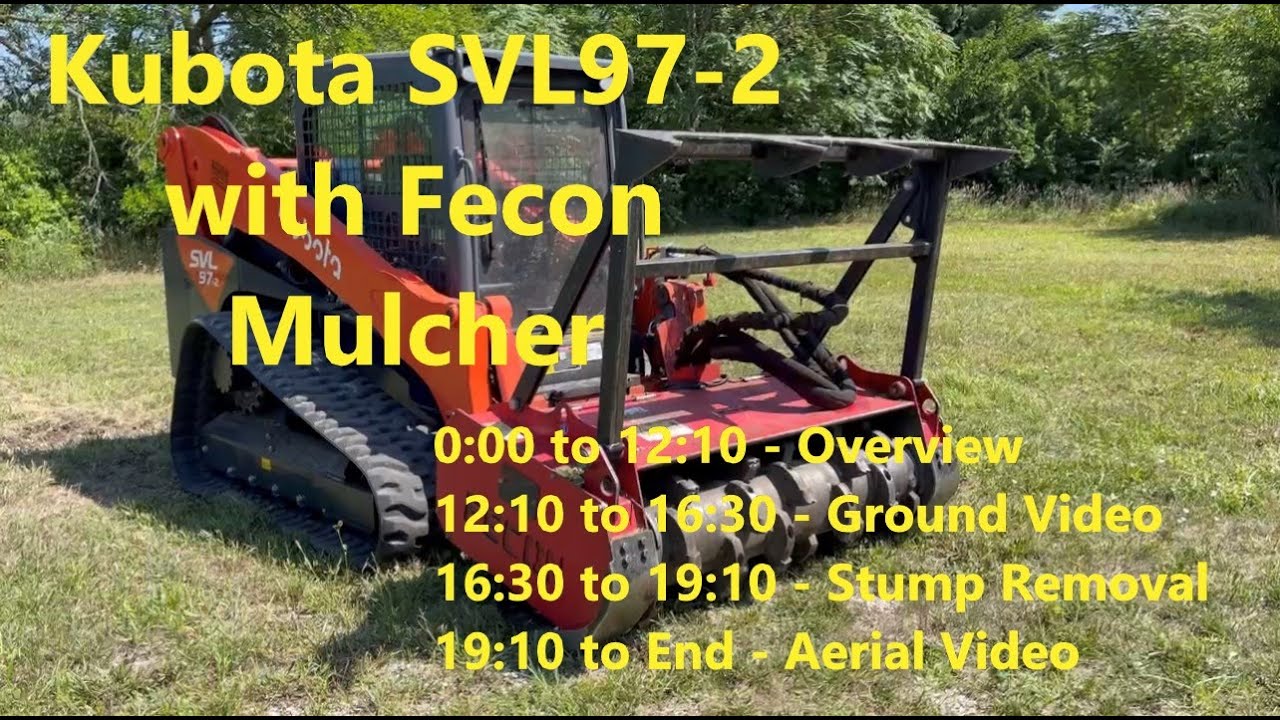
- Excavators Bulldozers Chippers Forestry mulchers
Safe Operation Standards for Hefty Machinery
Operators need to stick to specific guidelines while using hefty machinery: https://markslandclearing.com/about/
Conduct pre-operation inspections. Ensure appropriate filling techniques. Maintain clear interaction among team members.Environmental Factors to consider Throughout Land Clearing
Understanding Environmental Impact
Every land-clearing job has environmental ramifications such as environment devastation and dirt erosion. Recognition of these impacts can lead to more lasting methods being taken on by business that clear land.
Best Practices in Environmentally-Friendly Land Clearing
To reduce ecological effects during forestry clearing or various other kinds of land clearance:
Use selective clearing techniques instead of overall deforestation. Implement erosion control actions post-clearing.Legal Rules Governing Land Clearance
Local Legislations and Regulations
Engaging in unapproved land clearance can lead to lawful effects. It's important to comprehend regional legislations regulating:
- Protected species Zoning restrictions Permitting processes
Obtaining Necessary Permits
Before beginning any type of project entailing considerable alterations to the landscape, getting required permits from local authorities is mandatory.
Emergency Readiness Plans
Developing Emergency situation Response Plans
Every business engaged in land clearance need to have emergency situation plans ready for situations like mishaps or natural disasters.
Components of a Reliable Emergency situation Plan:
- Communication protocols First aid procedures Evacuation courses
Training Employees on Emergency situation Procedures
All employees must be educated on how to respond successfully during emergencies connected to their job environment.
First-Aid Readiness
Importance of First-Aid Training
Having first-aid trained employees on-site can conserve lives during crashes that take place throughout land clearing services.
Essential Emergency treatment Products:
Bandages Antiseptics CPR toolsRegular Website Inspections
Conducting Regular Site Inspections
Regular website inspections assist identify new risks that may occur throughout the period of the project.
Inspection List:
Equipment condition check Worker conformity with PPE methods Hazard recognitionFAQs regarding Land Clearance Safety And Security Protocols
Q: What are the main dangers included with land clearance?
A: The primary dangers consist of heavy equipment accidents, falling trees, direct exposure to damaging compounds, slips/trips/falls as a result of uneven surface, etc.
Q: Exactly how can I guarantee my selected business complies with safety protocols?
A: Ask about their training programs, insurance policy coverage, past incident reports, and adherence to OSHA requirements before employing them.
Q: Are there particular regulations concerning wild animals defense during clearance?
A: Yes! Many areas require analyses pertaining to protected varieties before carrying out any type of form of vegetation removal.
Q: What are some ideal techniques for decreasing ecological impact throughout clearance?

Q: Just how frequently should I inspect my site while proceeding with a long-term project?
A: Regular checks ought to happen at least regular; nonetheless, boost regularity if unfavorable weather are present or if work shifts alter significantly.
Q: Is first-aid training needed also if we have clinical centers nearby?
A: Yes! Immediate reaction time is vital; having trained workers on-site ensures timely action prior to specialist assistance arrives.
Conclusion
In final thought, comprehending "Land Clearance Safety And Security Protocols You Should Know" can not be overstated when starting any kind of form of land-clearing activity-- whether it's forestry mulching or preparing farmland for crops! Prioritizing safety and security with correct training programs will certainly minimize threats while guaranteeing conformity with regional legislations controling these techniques; thus making your experience smoother overall!
By adhering to established security methods along with advertising an ecologically mindful approach throughout every phase-- from prep resolve implementation-- you'll not just advertise office well-being however contribute favorably toward maintaining our world too!